

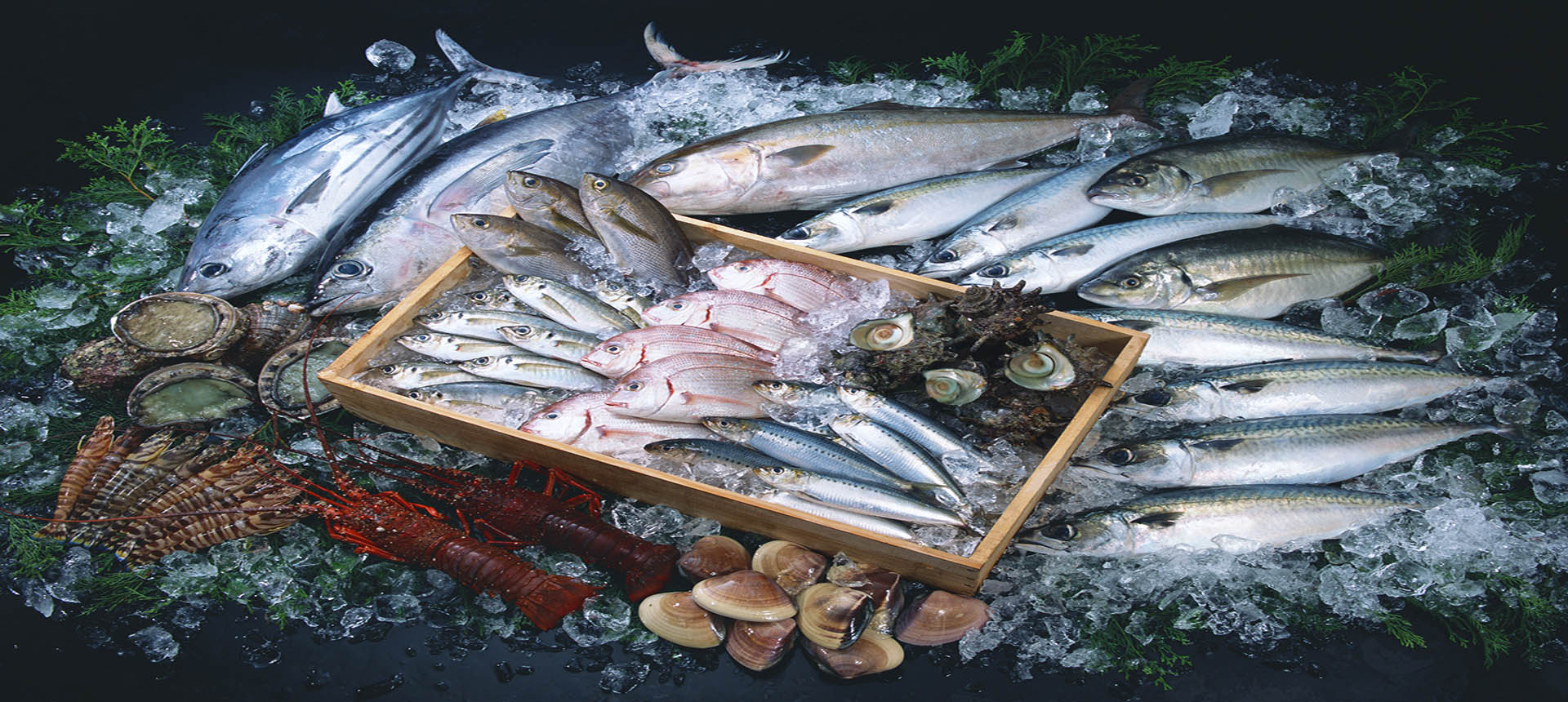

Puhualink Co., Ltd. is a professional integrated aquatic supply chain service provider. Relying on Qingdao’s superior port resources, we focus on the import and export of premium frozen seafood sourced from India, Pakistan, Oman, Southeast Asia and South America. Different from traditional traders, we integrate port logistics, cold chain warehousing, cross-border procurement and distribution resources to build a standardized and efficient supply chain system.
We strictly control product traceability and quality stability, and offer cost-effective imported frozen seafood. We provide one-stop procurement solutions for aquatic merchants, catering and food processing enterprises, helping clients cut costs and boost efficiency, and build a reputable industry brand.


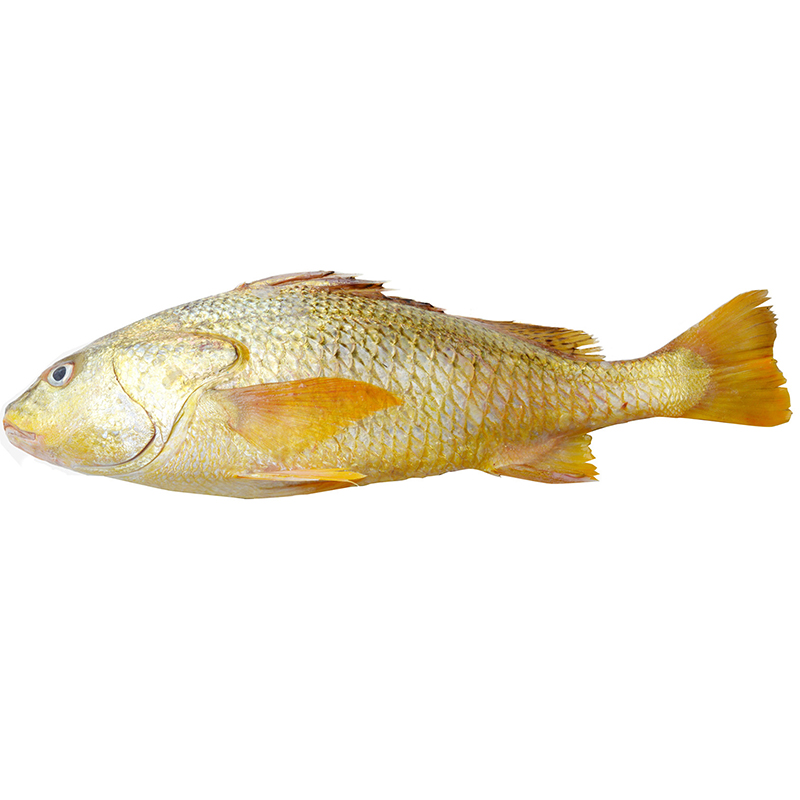
croakercroaker
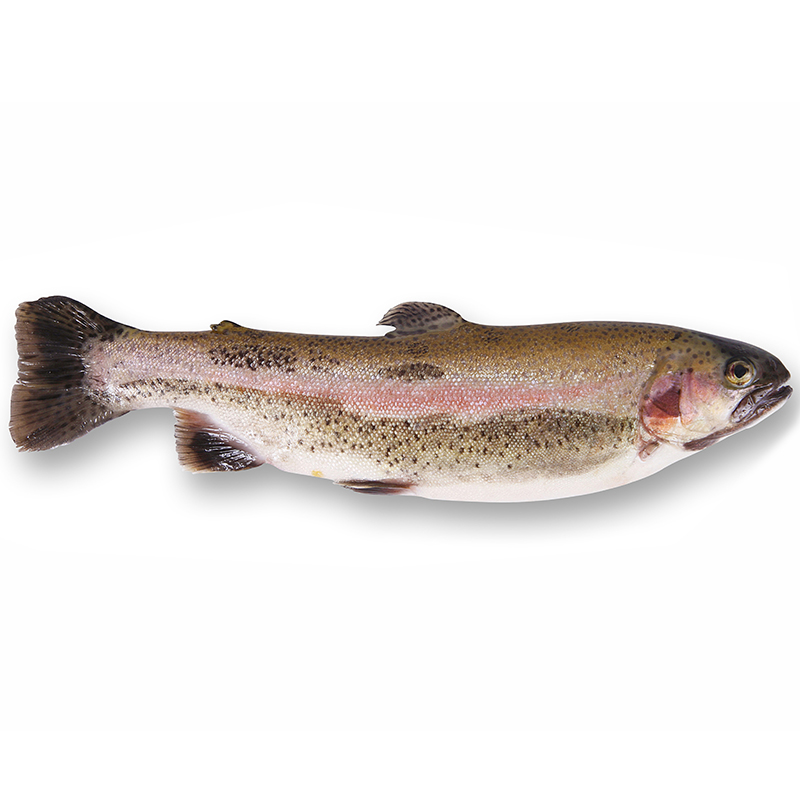
BombfishBombfishBombfishBombfishBombfishBombfishBombfish
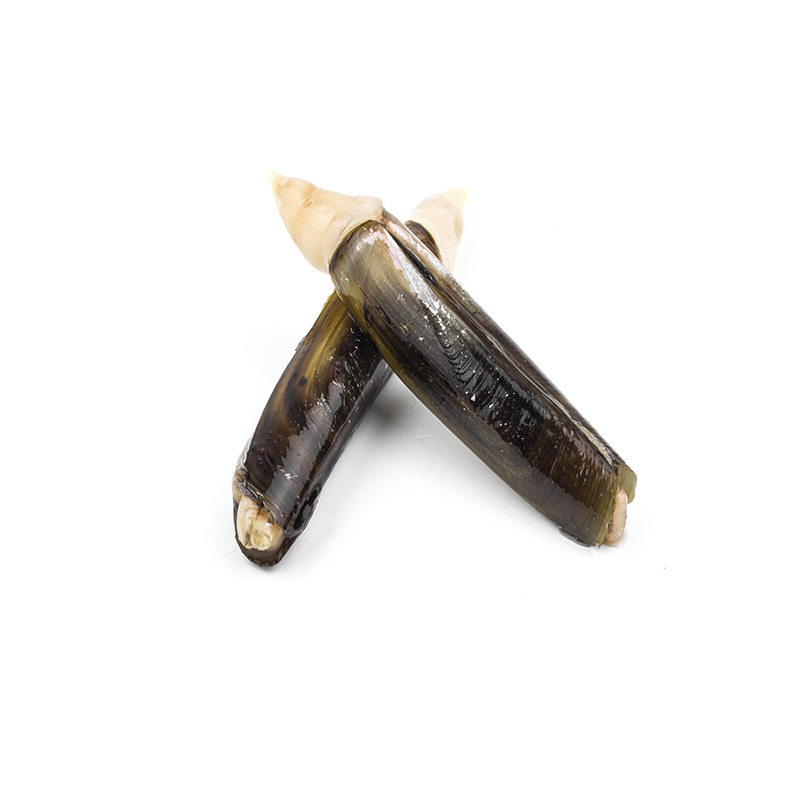
Razor Clam
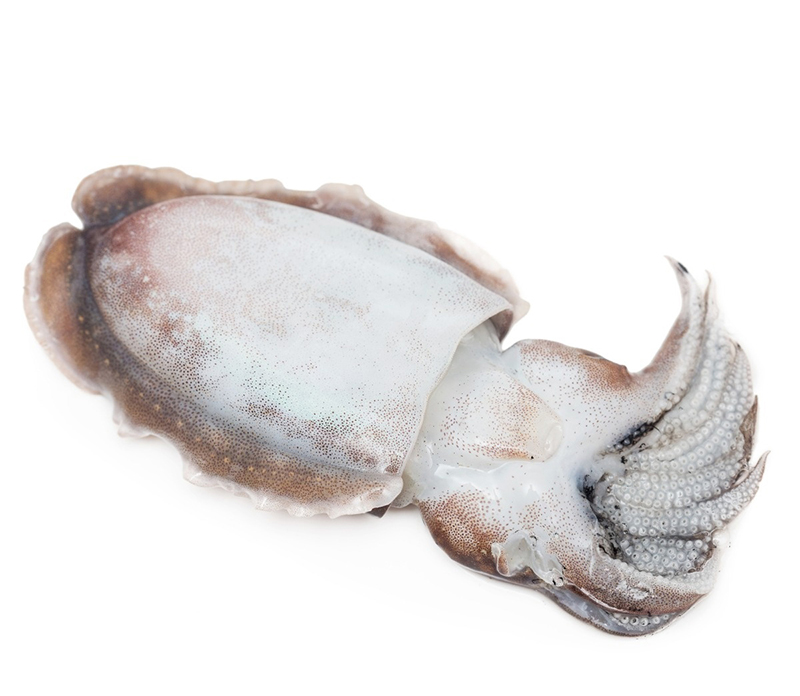
cuttlish
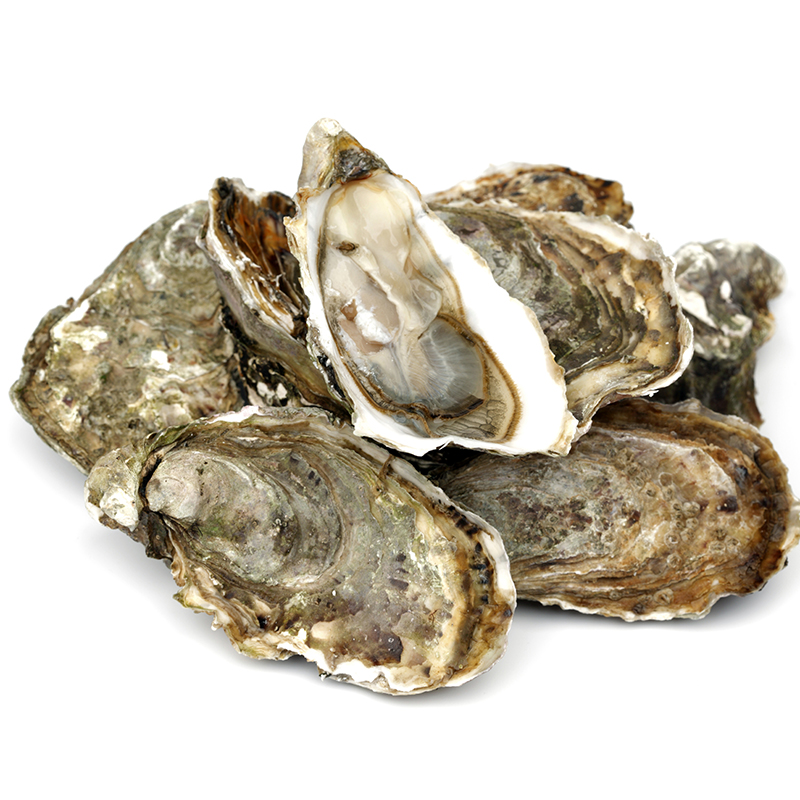
clamclam
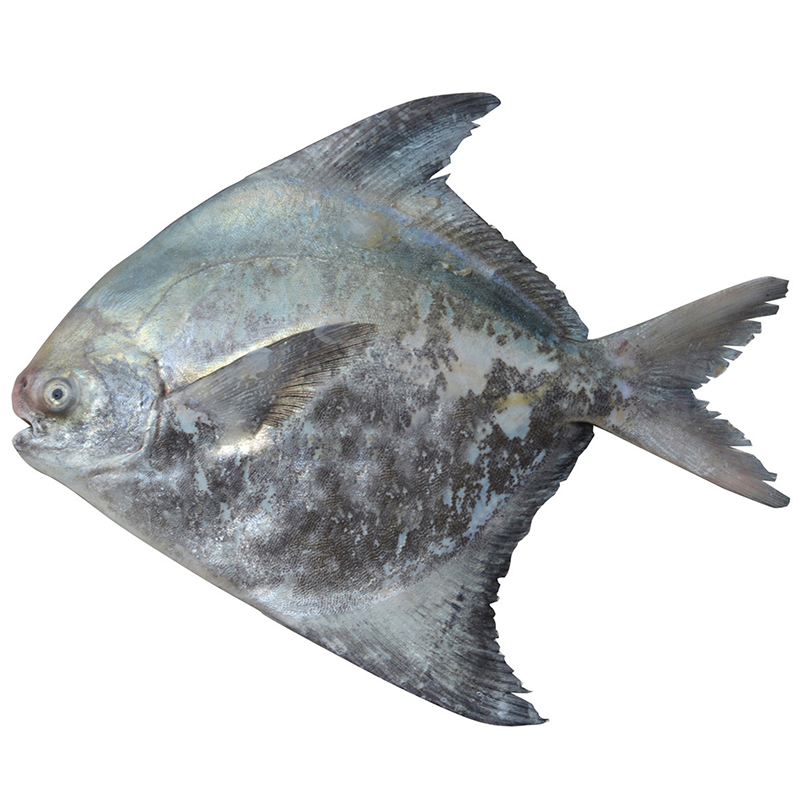
Bighead carpBighead carpBighead carpBighead carpBighead carpBighead carp
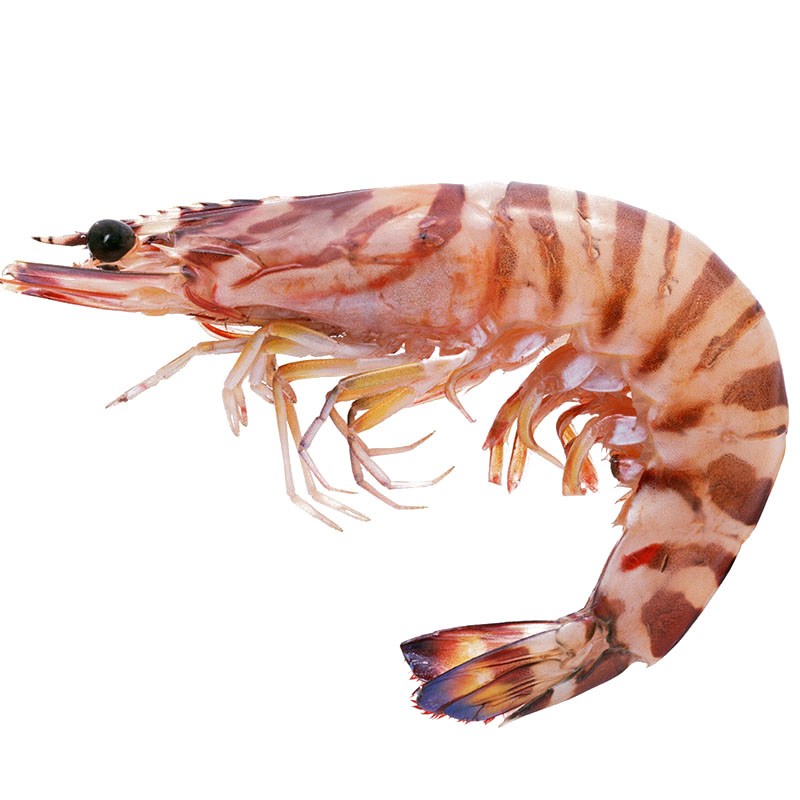
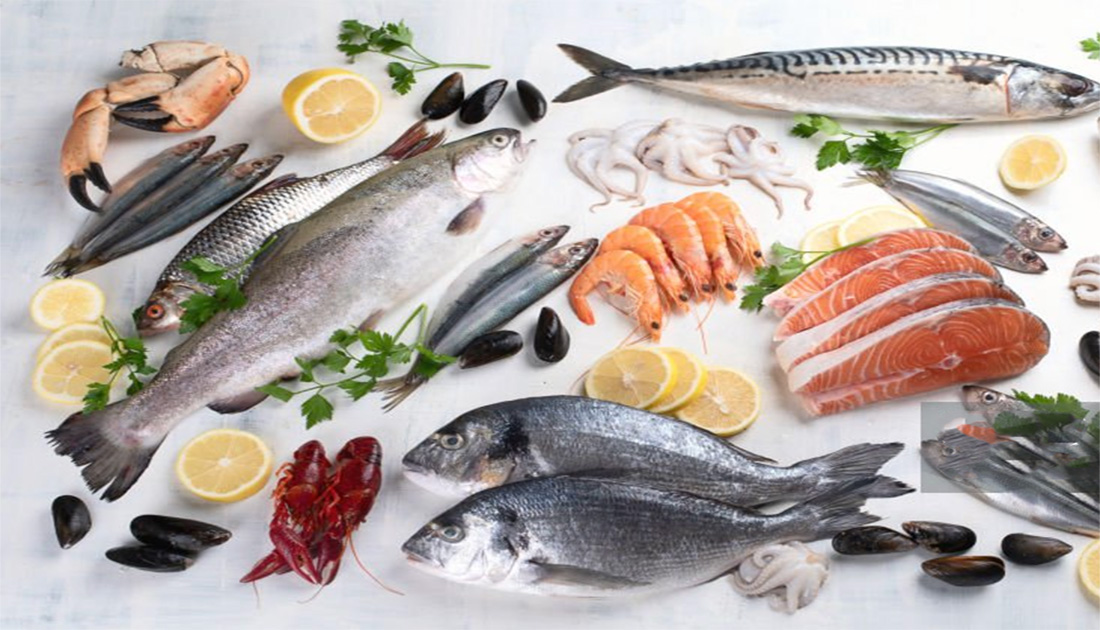
shrimp
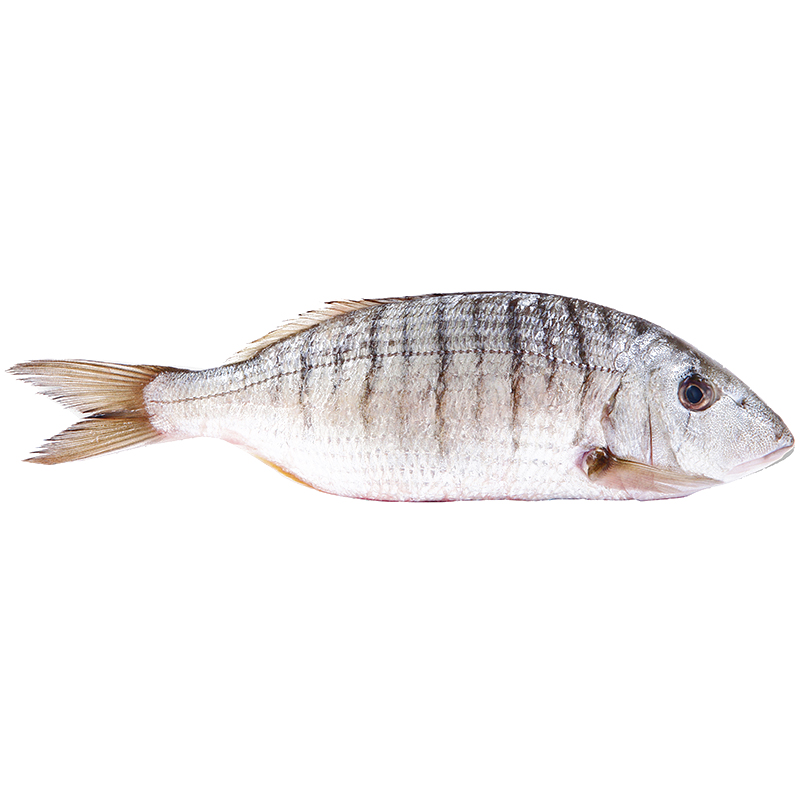
fatfishfatfish

At the beginning of 2026, the Japan-Indonesia EPA officially took effect, eliminating 6.4%-7.2% tariffs on 11 types of processed tuna and skipjack products, covering an annual trade volume of 80 million US dollars.
Since February 2026, all domestic farmed seafood entering the market must be equipped with official compliance traceability certificates, which record breeding batches, drug use and origin information and need to be retained for more than 6 months. National special rectification actions strictly investigate excessive drug residues and illegal additives, with unqualified products destroyed and violators blacklisted. Customs has strengthened source inspection and sampling of imported seafood.
In April 2026, the average retail price of imported Canadian Arctic shrimp surpassed farmed salmon in the Chinese market. As a wild-caught seafood under strict global fishing quotas, Arctic shrimp has rigid supply and prominent scarcity.
China’s fishery green transformation accelerated comprehensively in 2026. The country vigorously promotes fishery-PV complementary breeding models, requiring new standardized breeding parks to achieve a photovoltaic coverage rate of over 40% to reduce fossil energy consumption.
In June 2026, the US released a new 301 tariff proposal, planning to levy up to 12.5% tariffs on global seafood imports, bringing huge cost pressure on Chinese tilapia, frozen shrimp and processed aquatic products. Facing European and American trade barriers, Chinese seafood exporters have accelerated market diversification and reduced reliance on traditional Western markets.

Room 1301, No. 270 Tailu Road, Shibei District, Qingdao City, Shandong Province, China

+862131902070

puhualink@gmail.com

+8613764770415